

Roti, also known as chapati, is a common household food, eaten mostly in Asia, especially India. Made from whole wheat flour, roti is a nutritious and healthy food with numerous health benefits. This blog will explore the calories in 1 roti and its health benefits.
Understanding the calories in roti can help you maintain a balanced diet and a healthy weight. In this article, we will explore how and what needs to be consumed with roti to maximize its nutritional value and health benefits.
Calories in 1 Large Chapati or Roti
| Energy | 155 Kcal |
| Protein | 4.08g |
| Fats | 4.78g |
| Carbohydrates | 24g |
| Fiber, total dietary | 5.04g |
| Total Sugars | 1.52g |
| Calcium | 18.7mg |
| Iron | 1.14mg |
| Magnesium | 29.1mg |
| Phosphorus | 82.2mg |
| Potassium | 102mg |
| Sodium | 155mg |
| Zinc | 0.801mg |
| Copper | 0.119mg |
| Selenium | 13.8µg |
| Vitamin B-6 | 0.146mg |
Source: USDA
Calories in 1 Medium Chapati or Roti
| Energy | 120 Kcal |
| Protein | 3.14g |
| Fats | 3.68g |
| Carbohydrates | 18.5g |
| Fiber, total dietary | 3.88g |
| Total Sugars | 1.17g |
| Calcium | 14.4mg |
| Iron | 0.88mg |
| Magnesium | 22.4mg |
| Phosphorus | 63.2mg |
| Potassium | 78.4mg |
| Sodium | 119mg |
| Zinc | 0.616mg |
| Copper | 0.092mg |
| Selenium | 10.6µg |
| Vitamin B-6 | 0.112mg |
Source: USDA
Calories in 1 Small Chapati or Roti (27g)
| Energy | 80.7 Kcal |
| Protein | 2.12g |
| Fats | 2.48g |
| Carbohydrates | 12.5g |
| Fiber, total dietary | 2.62g |
| Total Sugars | 0.791g |
| Calcium | 9.72mg |
| Iron | 0.594mg |
| Magnesium | 15.1mg |
| Phosphorus | 42.7mg |
| Potassium | 52.9mg |
| Sodium | 80.5mg |
| Zinc | 0.416mg |
| Copper | 0.062mg |
| Selenium | 7.18µg |
| Vitamin B-6 | 0.076mg |
Source: USDA
Quick Comparison
| Food | Calories | Characterstics |
| Roti | ~250-300 | High in complex carbohydrates and fiber and low in fat. |
| Paratha | ~300-350 | High in fat and calories, and not easy to digest. |
| Naan | ~300-400 | Made with refined flour and not recommended daily. |
| Cooked Rice | ~120-150 | Low in calories and fat and high in essential nutrients. |
Health Benefits of Eating Roti
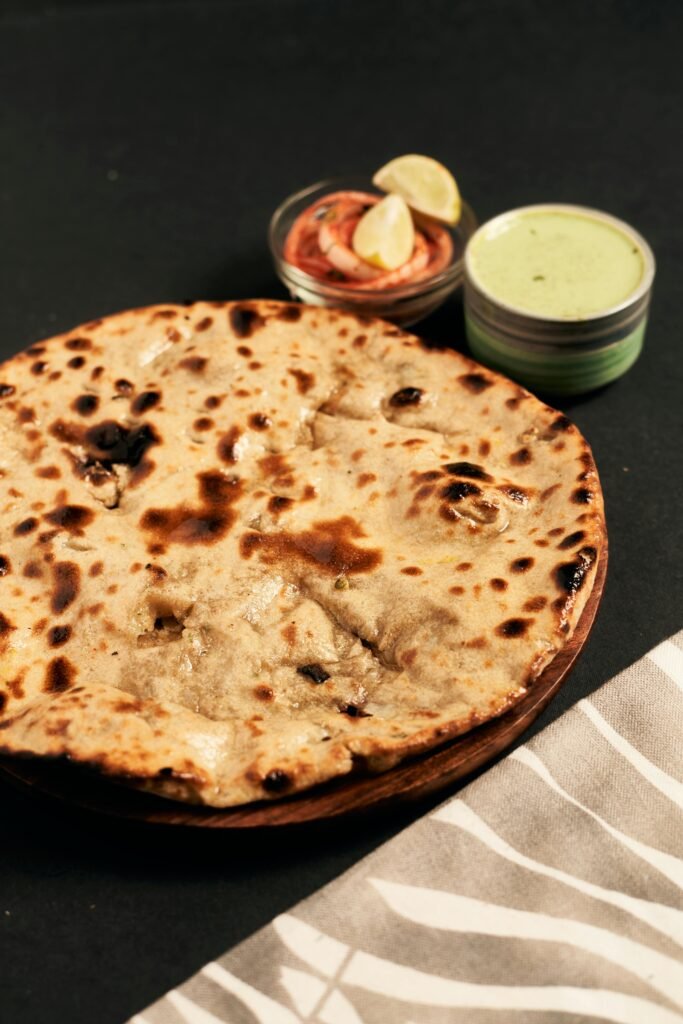
✅ Excellent Source of Energy
Roti contains the highest amount of complex carbohydrates, which provide steady energy throughout the day.
✅ Aids in Better Digestion
Roti has a high fiber content, which greatly aids digestion and prevents constipation.
✅ Stabilizes Blood Sugar Levels
Roti is low in the glycemic index and causes a gradual release of sugar, helping to control blood sugar levels.
✅ Provides Essential Nutrients
Roti is very rich in vitamin B, iron, magnesium, potassium, and phosphorus, which support overall health.
✅ Supportive for Weight Management
Eating roti reduces hunger and helps control weight and overeating. Eating roti keeps you full for longer.
Is Roti Good for Weight Loss?
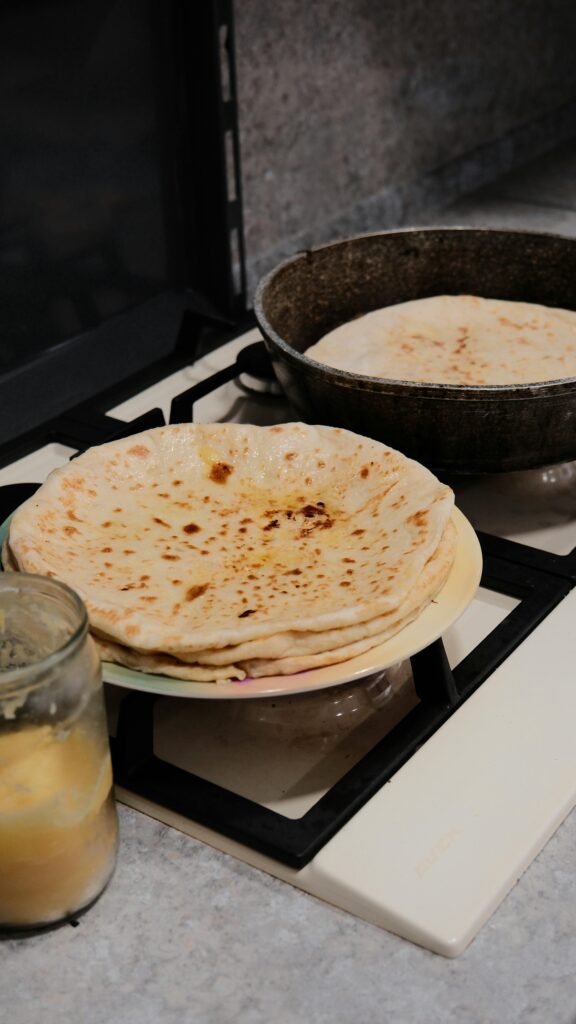
Yes, roti is a great food for weight loss and management, but only if it’s eaten in the right portions and correctly.
Some useful tips on how to eat roti for weight loss and management.
✅ Eat 2 or 3 rotis per meal instead of overeating
✅ Pair roti with protein-rich foods or vegetables
✅ Avoid adding too much oil or butter to roti
✅ Use whole wheat and multigrain for better nutrition and absorption
Criticism regarding the excessive consumption of rotis?
✅ High Carbohydrate Intake
Rotis are rich in carbohydrates; consuming them in excess leads to a buildup of surplus carbohydrates in the body, which are subsequently converted into fat, resulting in weight gain.
✅ Gluten Sensitivity
Rotis contain gluten; therefore, individuals suffering from gluten intolerance or celiac disease should avoid wheat-based rotis.
✅ Lack of Protein
Consuming rotis in isolation does not provide sufficient protein. Rotis should ideally be consumed alongside protein-rich foods.
✅ Long-Term Heart Health Risks
Regularly overconsuming rotis—particularly when paired with unhealthy snacks and sugary items—can lead to the development of chronic health conditions.
Tips to Make Roti Healthier
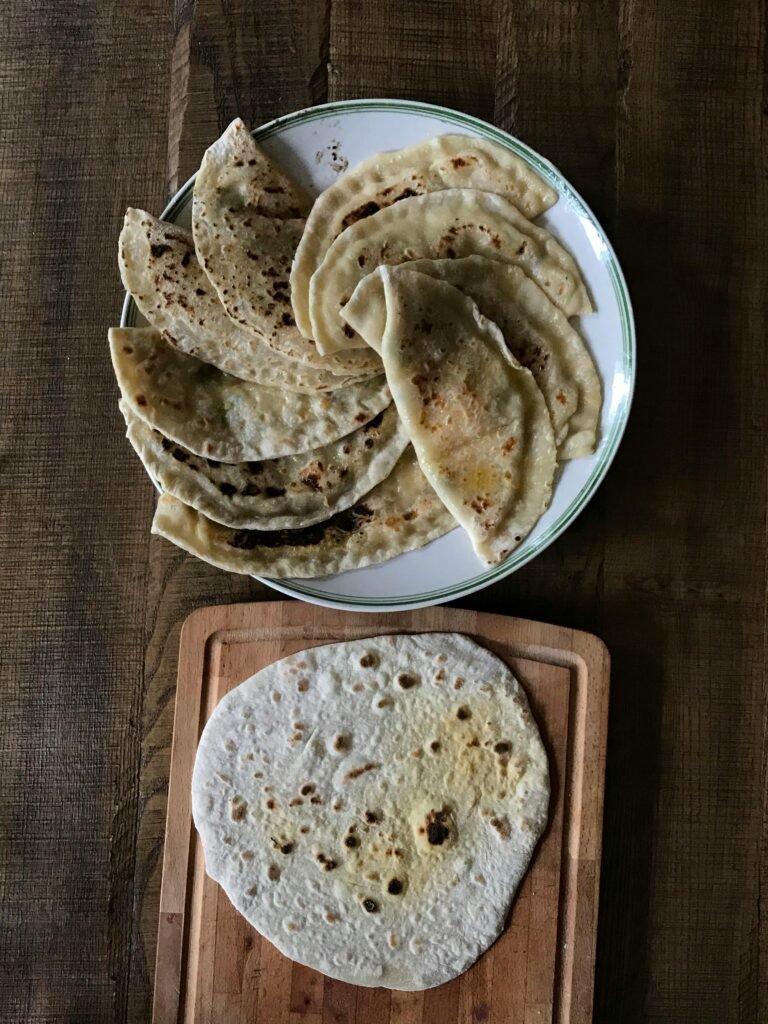
Roti can be made even more nutritious by following a few steps.
✅ Use whole wheat instead of refined flour
✅ Avoid excessive butter or oil
✅ Add multigrain flour like oats, millet, or barley
✅ Include vegetables in your meal
✅ Pair roti with proteins. Sources like eggs, lentils, and paneer
Frequently Asked Questions (FAQs)
1. How many calories are in 1 homemade roti?
One homemade whole wheat roti contains 70-80 calories.
2. How many rotis should one eat in a day?
Most people eat 4-6, but this depends entirely on physical activity level and other calorie needs.
3. Is roti healthier than rice?
Both are healthy options, but roti has more fiber, which keeps you full throughout the day and is best for digestion.
4. Does adding butter and oil increase the calories in roti?
Yes, adding butter and oil increases the calories, and ideally, we should avoid excessive oil and butter.
5. Can I eat roti at night?
Yes, you can eat roti at night as part of a balanced dinner, paired with vegetables and protein.
6. Does eating roti lead to weight loss?
Yes, it can. If consumed in moderation and combined with other healthy foods, roti can certainly support your weight loss efforts.
7. Which type of roti is the healthiest?
Multigrain or whole wheat rotis are the healthiest options because they are rich in fiber and nutrients. Rotis made from refined flour should be consumed sparingly.
8. Is roti suitable for people with diabetes?
Yes, roti is suitable for people with diabetes, provided it is consumed in moderation. Multigrain or whole wheat roti and controlling portion size are generally recommended.
Related Topics
Calories in 100g Avocado
Calories in 100g Broccoli
Calories in 4 Egg Whites
Calories in Chicken Wings
Calories in 100g Chicken Breast