

Introduction
Scrambled eggs are a well-known and favorite breakfast item worldwide. This extremely popular breakfast offers numerous nutritional benefits, as it contains a variety of nutrients that promote good health. Its most special feature is that it cooks in a very short time and is very easy to digest. Its nutritional value changes if the ingredients and cooking method are different.
Basic Calories in Eggs Scrambled
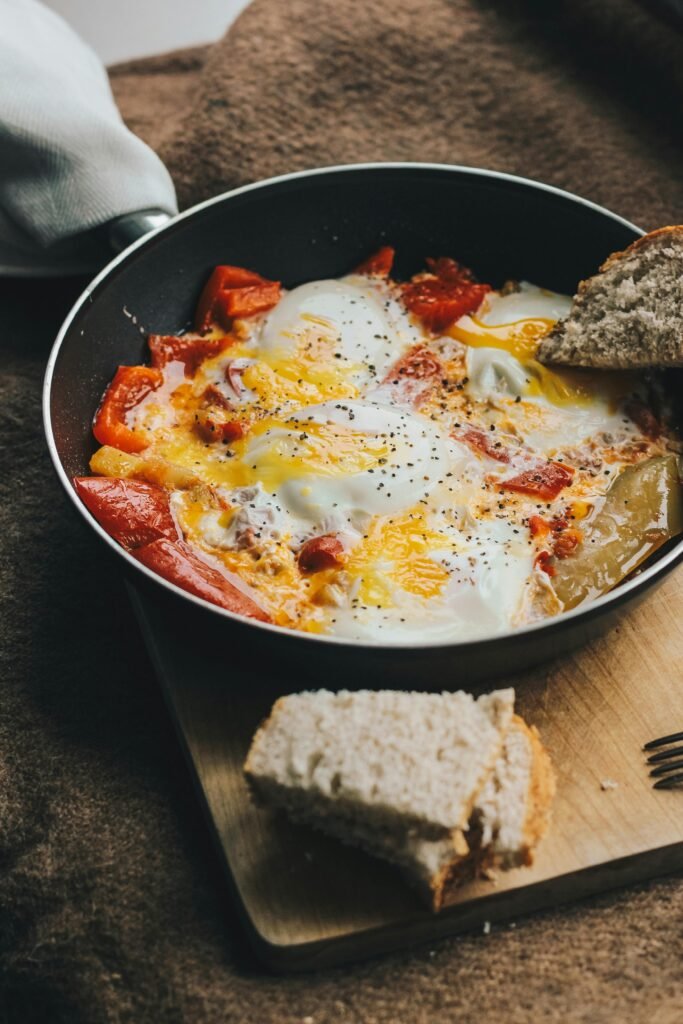
A single large egg contains 70-80 calories when raw. Its nutritional value changes only when cooked. In most cases, one large scrambled egg contains around 90 calories when cooked without milk, butter, or oil. Most people prefer to eat two eggs, which include around 180 calories and make an ideal choice for breakfast.
Most dietitians worldwide recommend eating scrambled eggs for breakfast. It is a moderate-calorie food but still provides excellent nutrition.
Calories in One Large Egg: (Sources Include: USDA)
Calories Increase With Added Ingredients
Scrambled eggs become much tastier, creamier, and more delicious when different types of ingredients are added, although the calorie content increases as the ingredients are added. When you cook one scrambled egg in a teaspoon of butter, the total calories in one scrambled egg are roughly 125 calories. Two eggs cooked with the same amount of butter can reach 200–250 calories, depending on your portion size.
Oil Versus Butter
Scrambled eggs are also cooked with oil. One tablespoon of oil contains 40 calories. When you choose oil over butter, the difference in calorie value is very small. However, cooking scrambled eggs with olive oil has different benefits. Olive oil provides healthy benefits and contains saturated fats, which are very good for our health. Just be careful when adding ingredients and not overdoing it if you are watching your calorie intake.
Scrambled Eggs With Vegetables
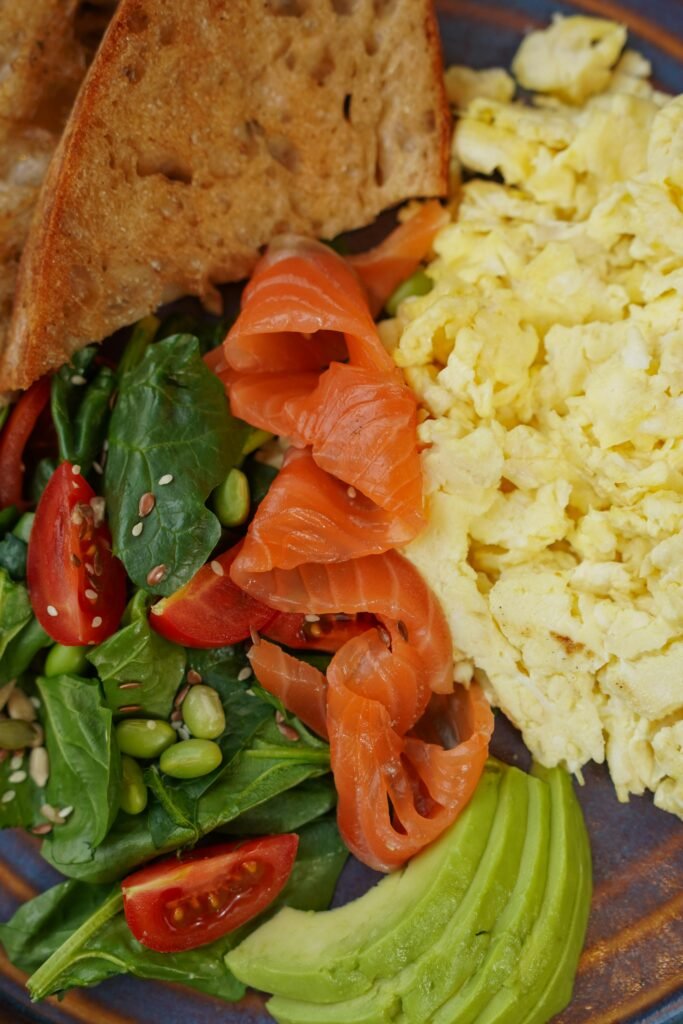
Scrambled eggs can also be made with vegetables, making them an even more nutritious meal. Adding vegetables has its own benefits and unique flavor and color. Peppers, onions, spinach, and tomatoes are popular choices. Most vegetables are low in calories and high in protein and vitamins. For example, half a cup of chopped spinach contains roughly 3-4 calories. Adding tomatoes adds 10 calories per half cup. Different vegetables add unique flavor, health benefits, and calorie intake. You get more food to eat with more nutrition and fewer calories.
Scrambled Eggs With Meat Add-Ins
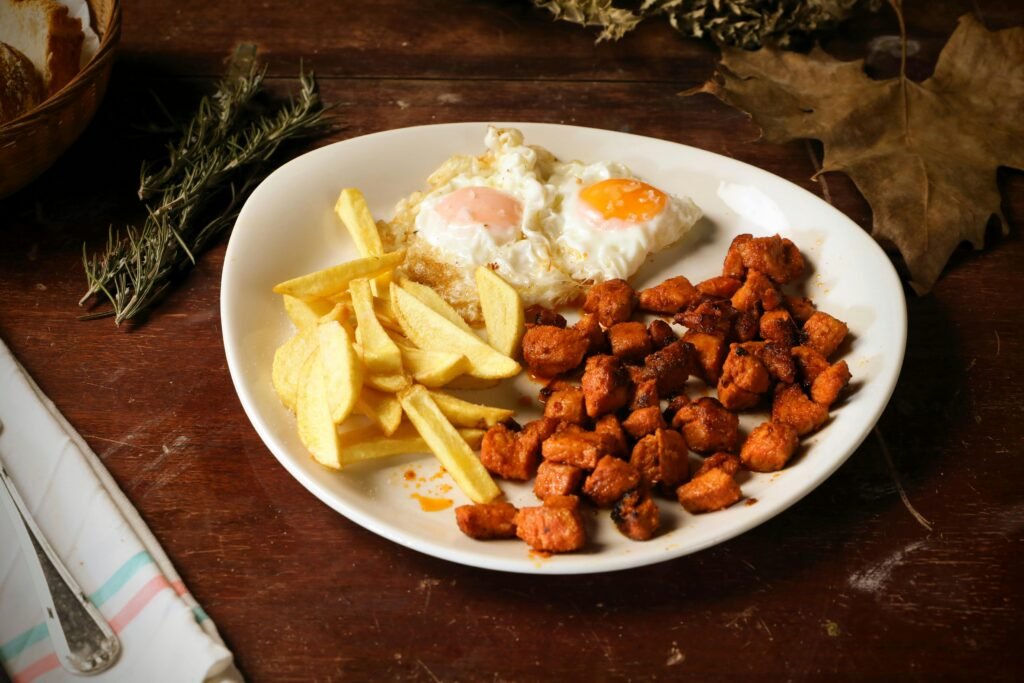
Adding meats like bacon, ham, and sausage can boost flavor, taste, and calories. A slice of cooked bacon adds around 40–45 calories, while a tablespoon of diced ham adds about 15 calories. Sausage is much higher and can add 80–100 calories per link. Adding different types of meat improves the taste without pushing calories too high.
Protein and Nutritional Benefits

Eating scrambled eggs with or without ingredients greatly increases protein intake. Because one whole egg contains 6 grams of protein along with amino acids, vitamin B12, vitamin D, iron, and choline.
Protein obtained from eating scrambled eggs helps in promoting muscle mass and reducing fat. Scrambled eggs should be eaten without complicated preparation to maximize the protein benefits they provide.
Conclusion
In the above blog, we’ve discussed how many calories are in scrambled eggs and what kind of ingredients can be paired with them to maximize nutrition without compromising on high-calorie intake. Scrambled eggs are versatile and easy to incorporate into our daily lifestyles. We should definitely include them in our diets to maximize their protein and vitamin benefits.